
Ukraine’s Struggle for Freedom and Independence: A Brief History of Ukraine
- Home
- Ukraine’s Struggle for Freedom and Independence: A Brief History of Ukraine
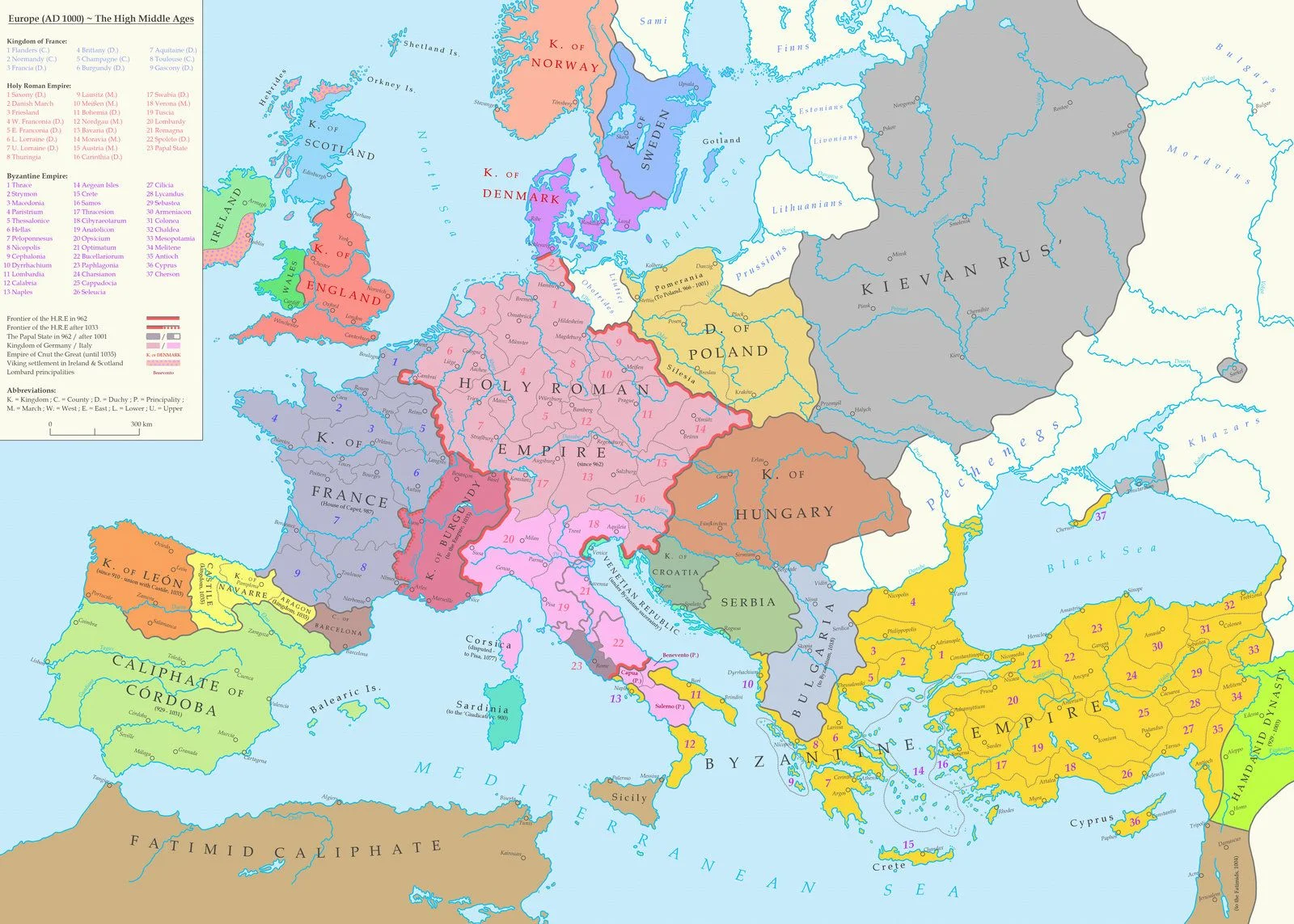
Kyvan Rus and the City of Kyiv
late 9th century as a loose federation of principalities in Eastern Europe. According to legend, Kyiv was founded in the 5th–6th century by three brothers—Kyi, Shchek, and Khoryv—and their sister Lybid, leaders of the Polyanian tribe.
By the 9th century, Kyiv became a commercial hub on trade routes between Scandinavia and Byzantium, attracting Varangian (Viking) rulers like Oleg, who moved the capital from Novgorod to Kyiv in 882. This marked the beginning of Kyvan Rus’ as a powerful medieval state, blending Slavic, Viking, and Byzantine influences.
The foundation of Kyvan Rus' shows Ukraine's early role as a crossroads of cultures and a center of power. Today, Ukrainians defend this historic heartland—your donations to the army help preserve this legacy against modern aggression.
The Golden Age of Kyvan Rus', Including the Reign of Yaroslav the Wise
Kyvan Rus' reached its peak in the 11th century under Yaroslav the Wise (r. 1019–1054), who unified the principalities, expanded territories, and fostered cultural and diplomatic ties.
Yaroslav codified laws (Ruska Pravda), built iconic structures like Saint Sophia's Cathedral in Kyiv (a UNESCO site), and married his daughters to European kings, earning the nickname "Father-in-Law of Europe." Christianity, adopted in 988 by Vladimir the Great (Yaroslav's father), strengthened ties with Byzantium and laid the foundation for Ukrainian cultural identity. At its height, Rus' was one of medieval Europe's most advanced states, with Kyiv as a thriving metropolis.
Yaroslav codified laws (Ruska Pravda), built iconic structures like Saint Sophia's Cathedral in Kyiv (a UNESCO site), and married his daughters to European kings, earning the nickname "Father-in-Law of Europe." Christianity, adopted in 988 by Vladimir the Great (Yaroslav's father), strengthened ties with Byzantium and laid the foundation for Ukrainian cultural identity. At its height, Rus' was one of medieval Europe's most advanced states, with Kyiv as a thriving metropolis.
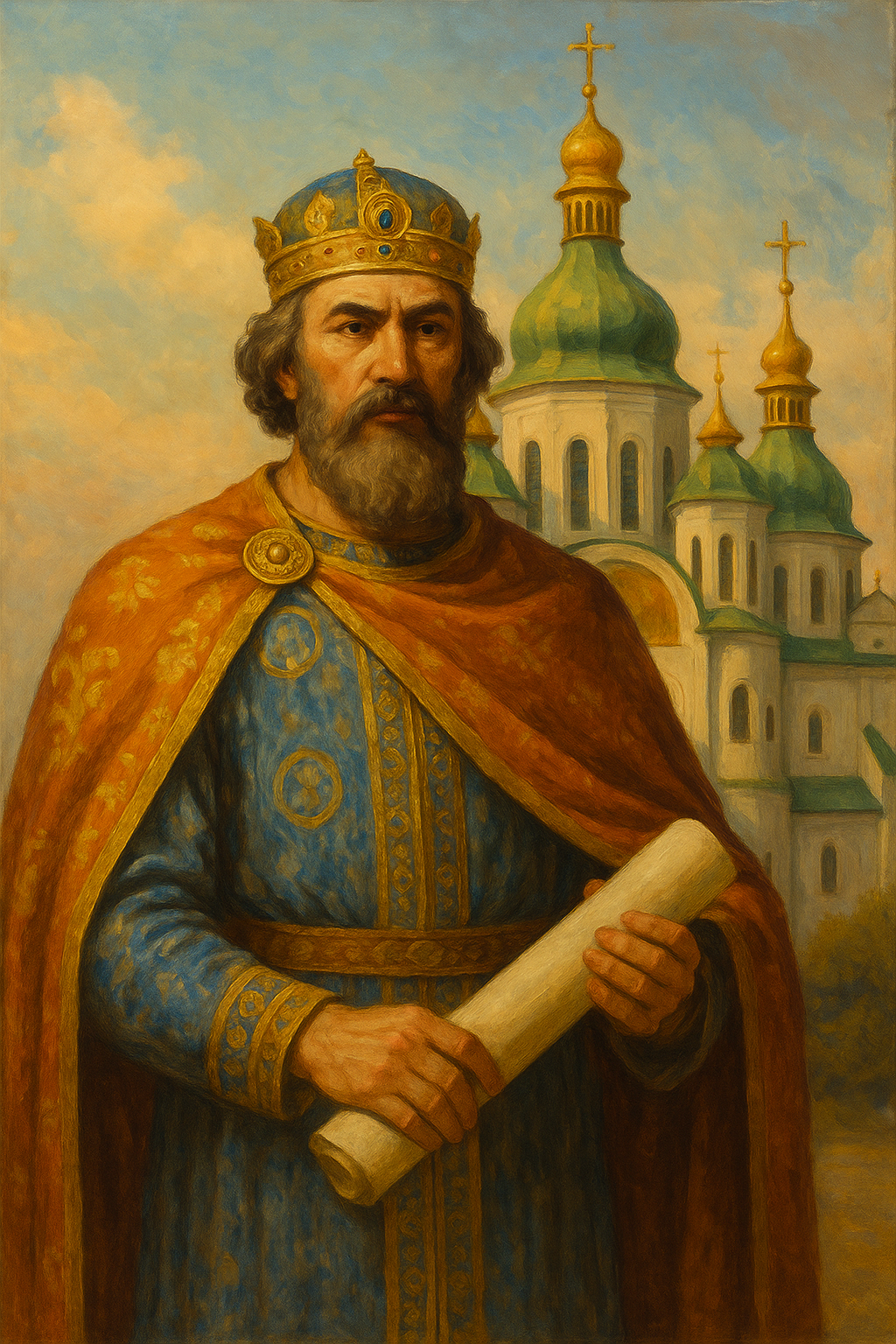
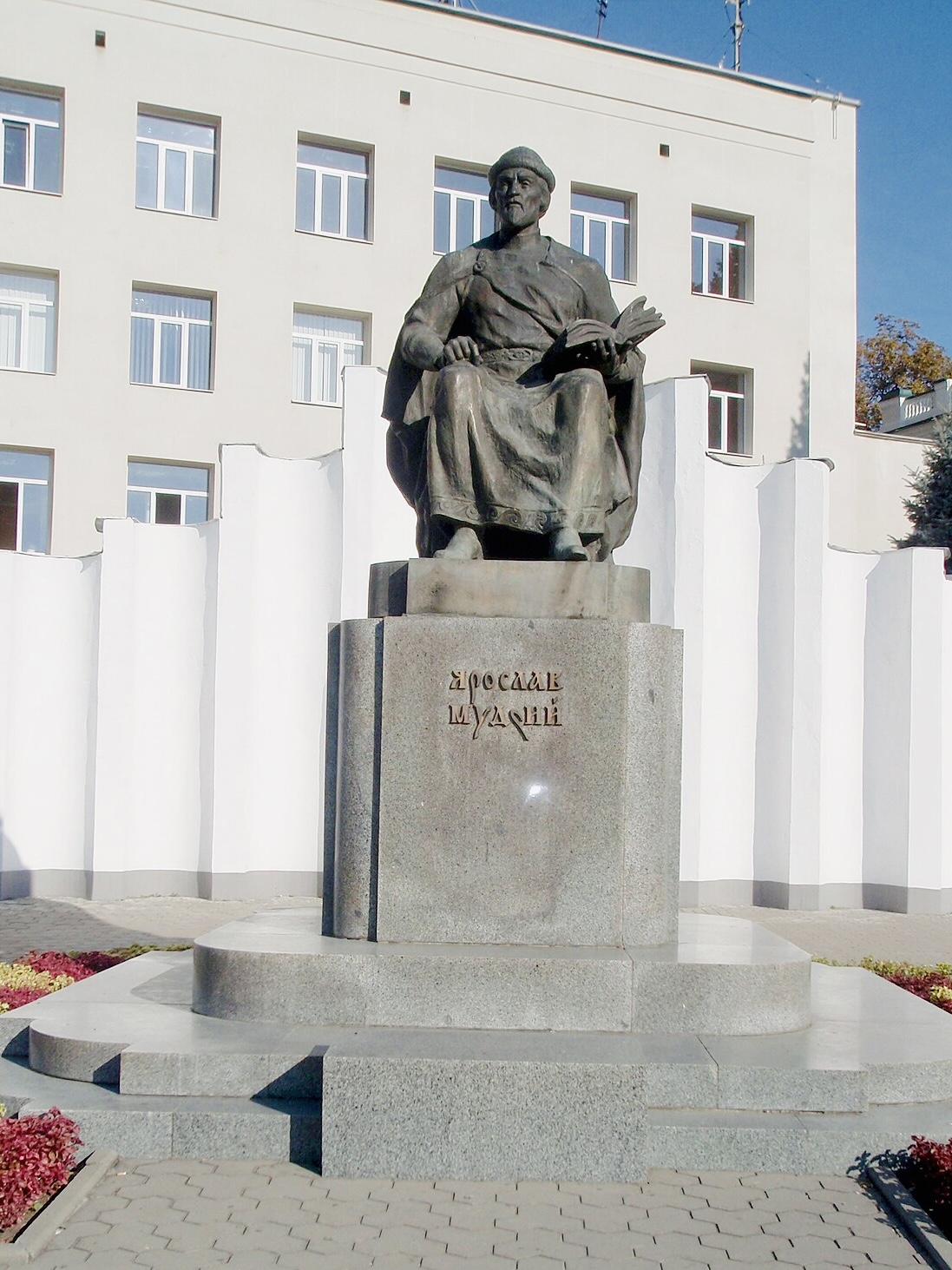
Yaroslav's era symbolizes Ukraine's historical wisdom and European integration. In 2025, as Ukraine fights for sovereignty, your support for the army echoes this golden age of resilience and unity.
Mongol Invasions and the Fall of Kyvan Rus'
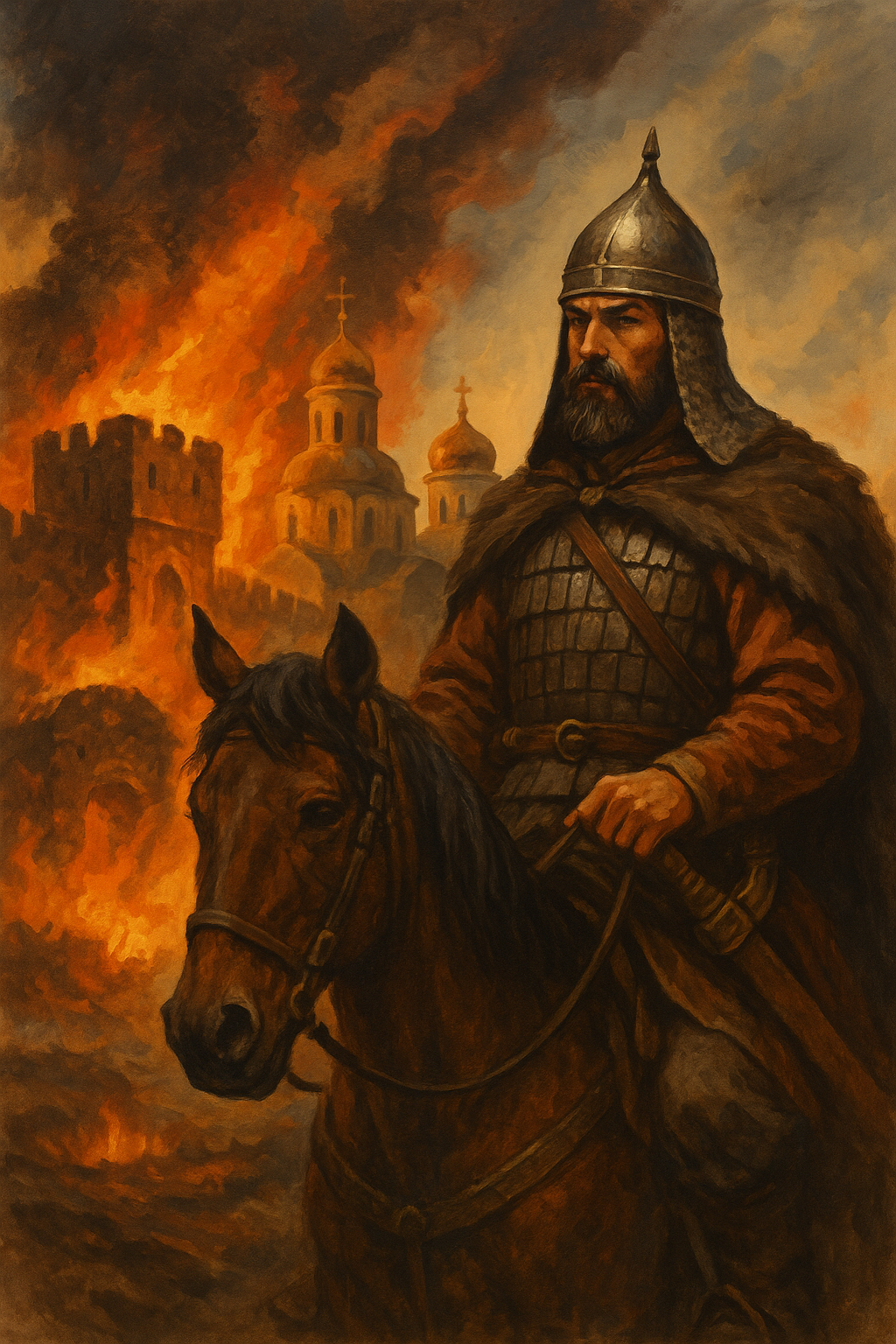
The Mongol invasions began in 1237, led by Batu Khan, devastating Kyvan Rus'. Kyiv fell in 1240 after a brutal siege, with most inhabitants killed or enslaved. The Golden Horde established control, imposing tribute and fragmenting Rus' into principalities. By the mid-13th century, Rus' collapsed, leading to centuries of foreign domination and loss of central authority. This era marked the end of Kyiv's dominance, shifting power to Galicia-Volhynia and later Lithuanian-Polish states.
The Mongol destruction tested Ukrainian resilience, much like today's invasion. Supporting the army helps rebuild and defend against similar threats.
Polish Rule in Ukraine and Cossack Uprisings
After the Mongol invasions (see below), Ukrainian lands fell under Lithuanian and Polish control in the 14th–17th centuries, forming part of the Polish-Lithuanian Commonwealth. Polish rule brought religious persecution and serfdom, sparking Cossack uprisings. The Cossacks—free warriors on the Dnieper frontier—embodied Ukrainian independence, with democratic traditions like electing leaders (hetmans) and assemblies (rada).
The 1648 uprising led by Bohdan Khmelnytsky created the Cossack Hetmanate, a semi-independent state that fought for Ukrainian autonomy against Poland. Cossack democracy influenced modern Ukrainian identity, symbolizing resistance to oppression.
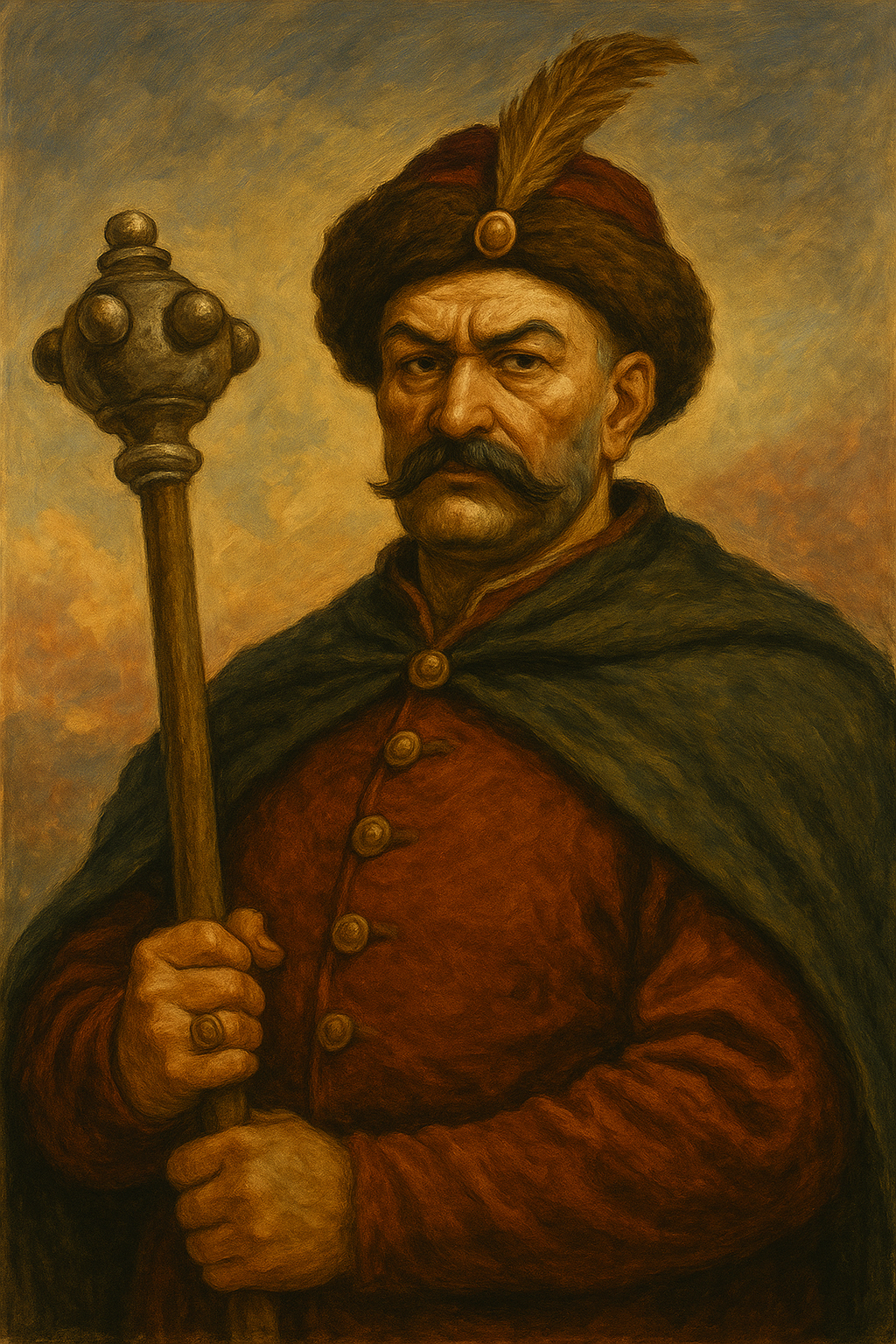
The Cossacks' fight for freedom mirrors today's struggle. Their democratic spirit lives in Ukraine's army—your donations empower this enduring independence.
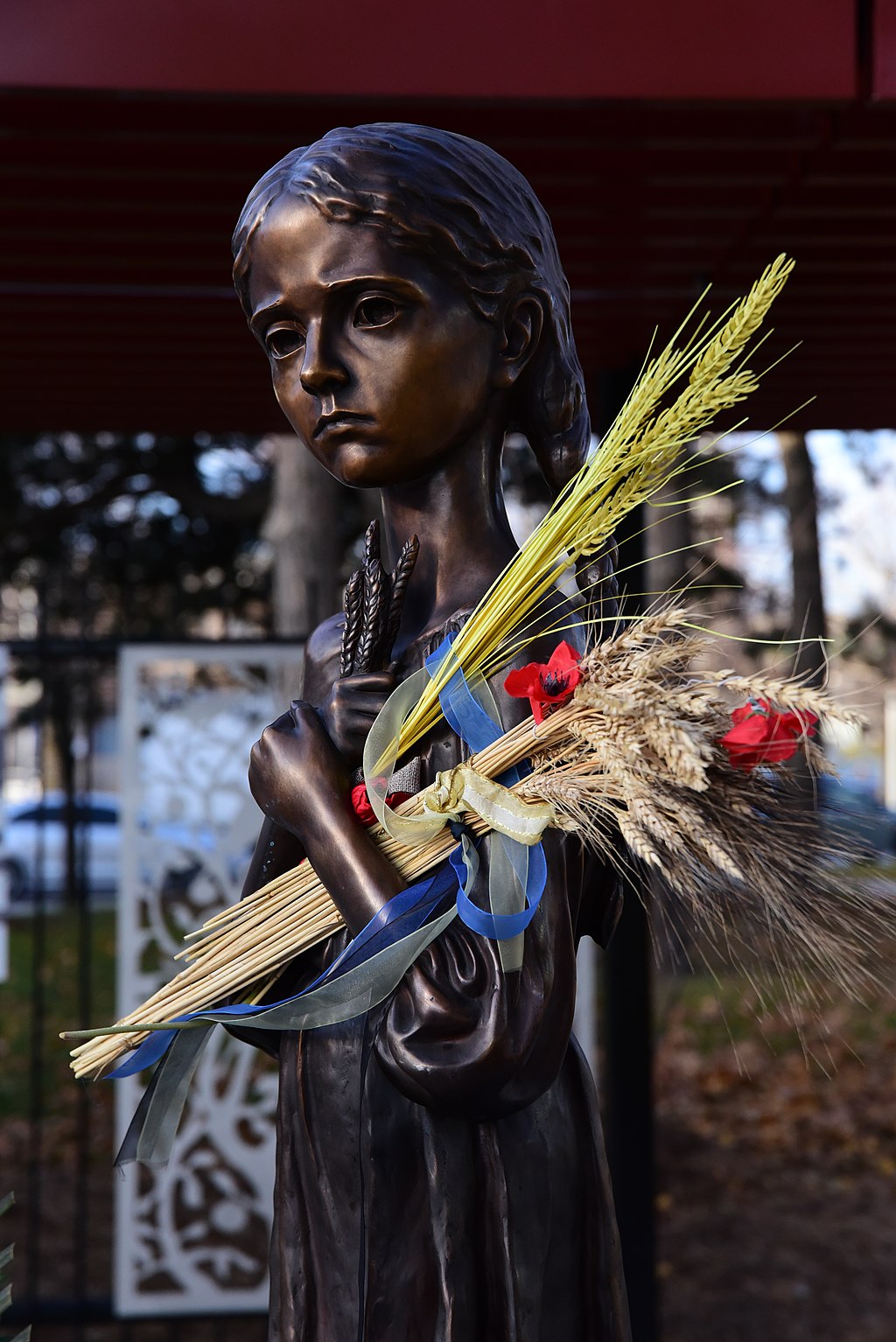
Ukraine in the 20th Century: Russian Revolution and Nationalism, Holodomor, WWII, and Occupations
The Russian Revolution (1917) sparked Ukrainian nationalism, leading to the short-lived Ukrainian People's Republic (1917–1921), crushed by Bolsheviks. In 1932–1933, Stalin's Holodomor famine killed 3.5–5 million Ukrainians, recognized as genocide by many countries. During WWII (1941–1945), Ukraine suffered under Nazi occupation (5.2 million civilians killed, including 1.5 million Jews in the Holocaust) and Soviet re-occupation, with massive destruction.
The 20th century's tragedies forged Ukraine's unyielding spirit. Today's war echoes these sufferings—your donations to the army honor those who resisted oppression.
Revolution of Dignity, Maidan, and Ukraine's Independence
Ukraine gained independence in 1991 after the USSR's collapse, but corruption and Russian influence persisted. The Revolution of Dignity (Euromaidan, 2013–2014) began as protests against Yanukovych's refusal to sign an EU association agreement, escalating into a revolution for European values . Over 100 protesters were killed on Maidan Nezalezhnosti (Independence Square) in February 2014, leading to Yanukovych's flight and new pro-European leadership. This affirmed Ukraine's path to independence and democracy.
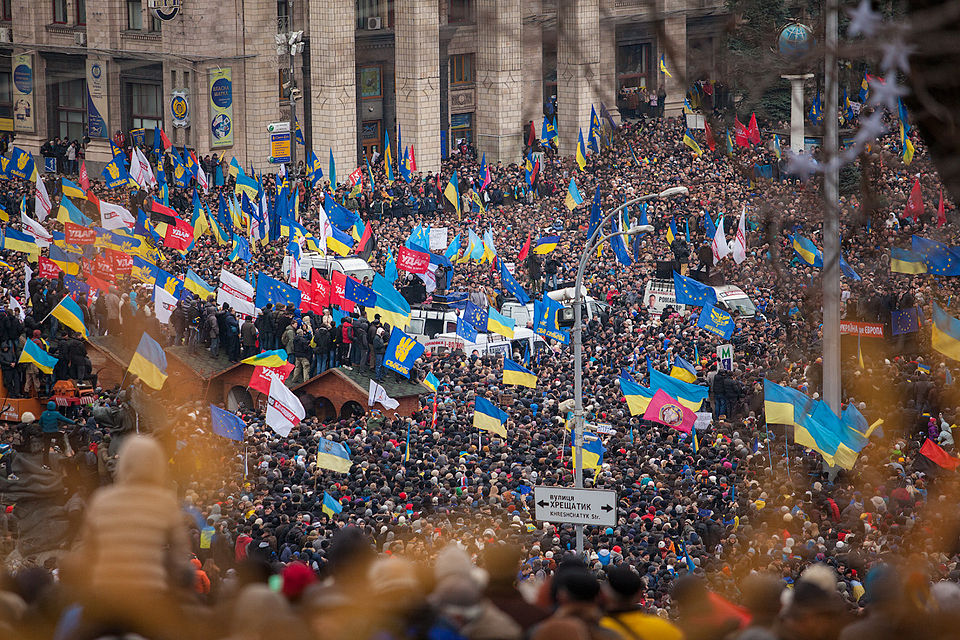
Maidan symbolized Ukraine's choice for freedom. The army now defends this dignity—your support strengthens their fight.
Ukraine After 1991 Independence Until the Full-Scale Invasion
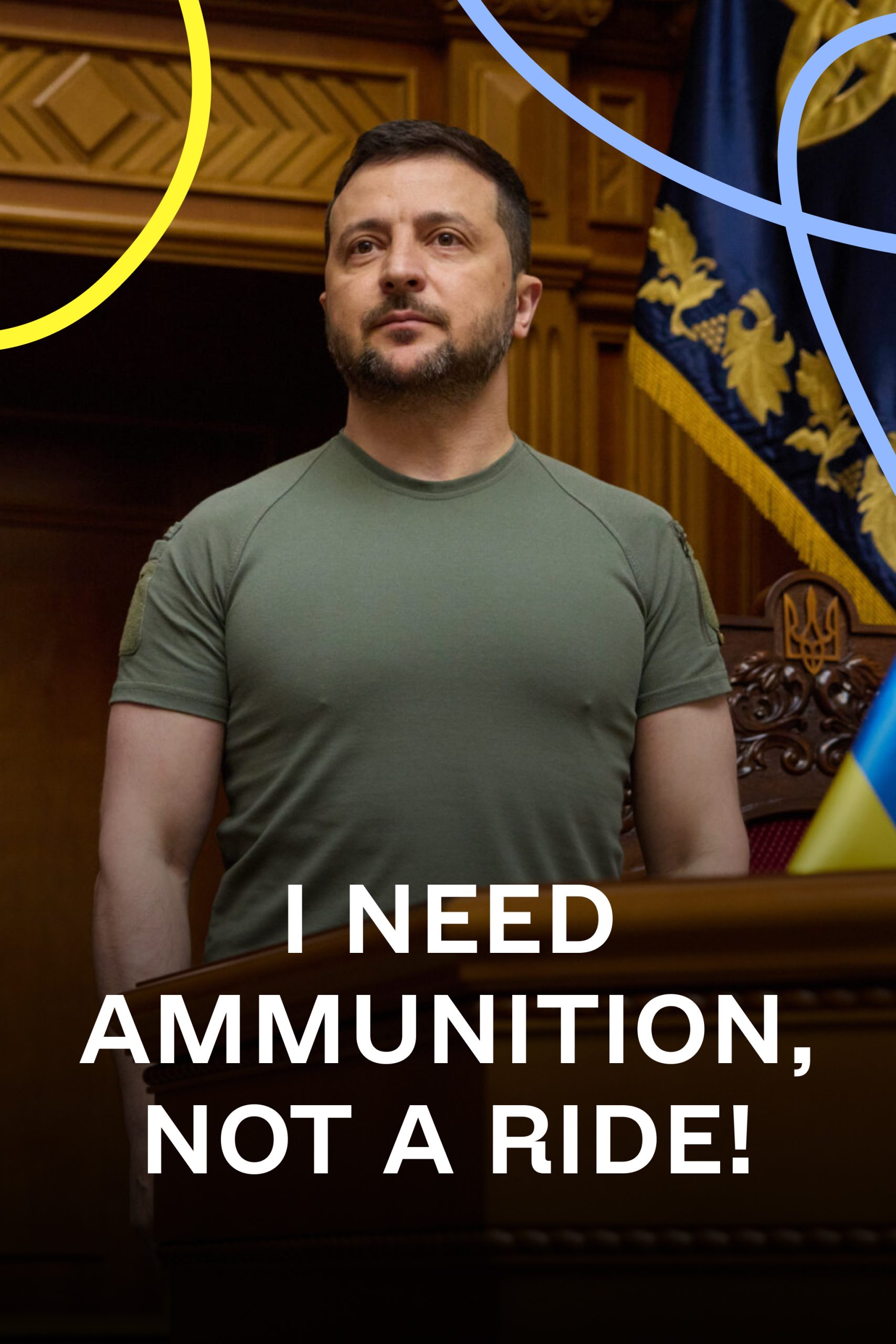
On August 24, 1991, Ukraine declared independence from the Soviet Union, marking the birth of a modern sovereign state. The following decades brought both challenges and achievements. Ukraine struggled with corruption, economic instability, and political divisions, but it also made significant progress toward democracy and European integration.
The Orange Revolution (2004) and the Revolution of Dignity (2013–2014) were powerful moments when Ukrainians stood up for freedom, justice, and democratic values. After Russia’s illegal annexation of Crimea and the war in Donbas in 2014, Ukraine undertook reforms, strengthened its Armed Forces, and pursued closer ties with the European Union and NATO.
By 2022, Ukraine was firmly on the path toward a European future. Russia’s full-scale invasion was an attempt to crush this progress—but instead, it only strengthened Ukraine’s unity and determination to defend its independence.
Post-independence Ukraine has shown resilience in the face of hardship. Today, your donations to the Armed Forces help protect over 30 years of progress and ensure a free, democratic future for generations to come.
Join to us
Why Donate to Ukraine's Army?
Ukraine's history is a testament to an unbreakable spirit of independence — from Cossack democracies to Maidan heroes.
Today, facing Russia's aggression, the Ukrainian Armed Forces continue this legacy, defending not just land but values of freedom and democracy. Your donations can provide equipment, medical aid, and support for soldiers.